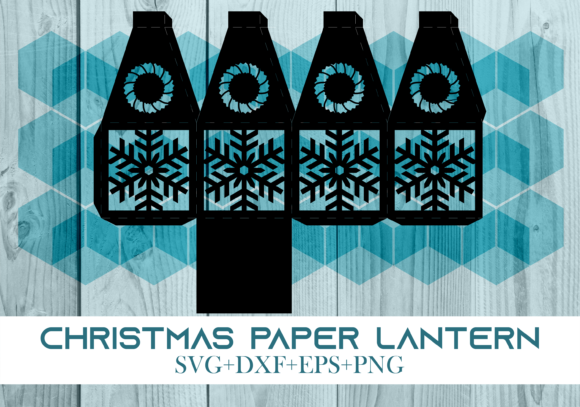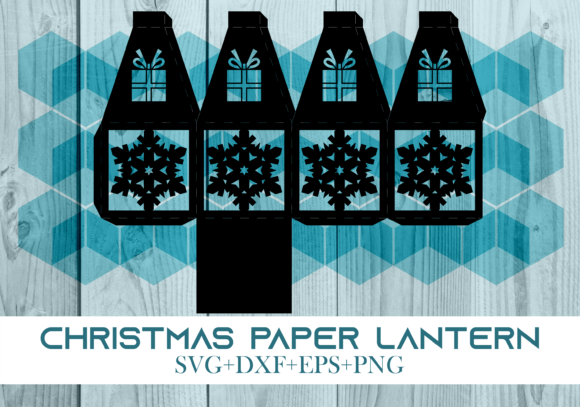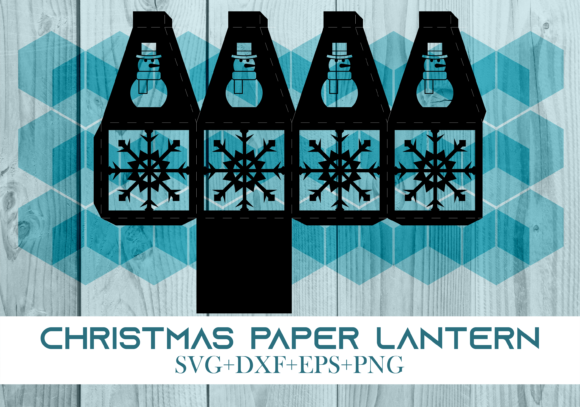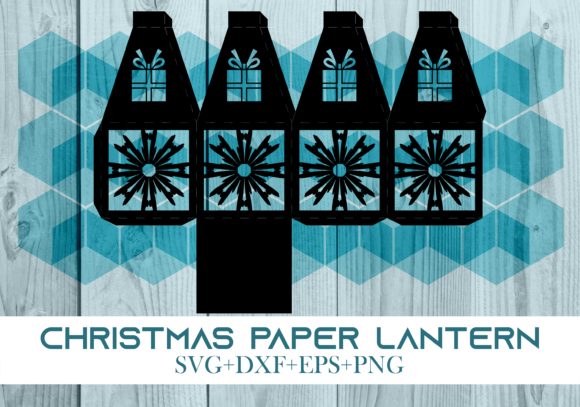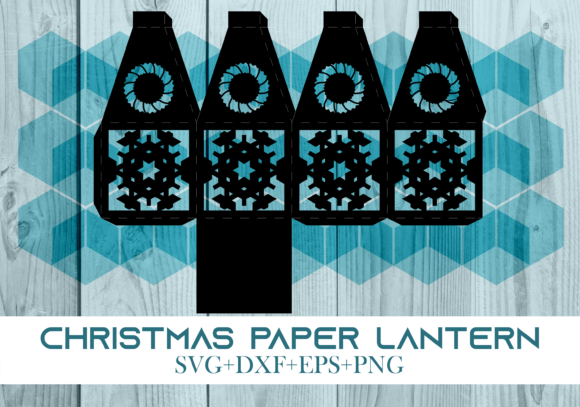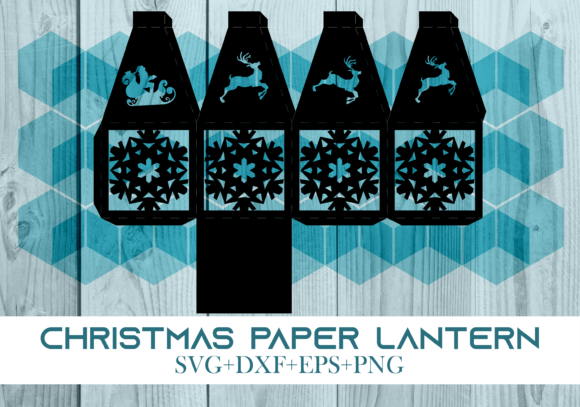
Review: Christmas Paper Lantern Series 0232 for Holiday Decor
As a designer who spends more time staring at stitch maps than most people spend watching television, I approach every new machine embroidery design with a mix of excitement and skepticism. We have all been there: you download a file that looks stunning on the screen, only to find out it turns into a puckered mess once the needle hits the fabric. That is why I took a close look at the Christmas Paper Lantern Series 0232. This isn't just about whether it looks cute; it is about whether it holds up in a real-world embroidery project meant for clients, customers, or your own holiday home.
The first thing that strikes me about this design is its mood. It captures that specific, quiet warmth of the holidays without screaming for attention. The concept of a paper lantern translated into thread is clever because it relies on structure and light, which presents unique challenges for an embroiderer. When I visualize this as a finished product, I do not immediately see it on a stretchy t-shirt. Instead, my mind goes straight to structured items. Imagine this stitched onto a heavy canvas tote bag design intended for carrying holiday gifts, or perhaps centered on a linen tea towel for a hostess present. The geometry of the lantern suggests it needs a stable foundation to maintain its crisp lines.
Real-World Application: From Screen to Stitch
Let's talk about a specific scenario. Suppose you are running a small shop product line for the holidays, and you want to offer a limited edition apron for bakers. You need something festive but elegant. The Christmas Paper Lantern Series 0232 fits this brief perfectly. Because the original description notes it is designed to fit on an 8.5 x 11.7 sheet, we are looking at a design with significant presence. It is not a tiny accent; it is a statement piece.
However, size brings responsibility. When working with a design of this scale, the choice of stabilizer becomes critical. If you attempt this on a thin cotton without adequate backing, the weight of the stitches could cause the fabric to sag, ruining the "lantern" illusion. For a project like an apron or a pillow cover, I would strongly recommend using a cut-away stabilizer rather than tear-away. The structural integrity of the lantern shape depends on the fabric staying flat. If you are an Etsy seller planning to list these as handmade products, consistency is key. Every unit needs to look as crisp as the last, and that starts with how you hoop your fabric.
I also see potential for this in sweatshirt embroidery, provided the garment is heavyweight. A fluffy fleece might swallow the finer details if the stitch density is too high, but on a smooth, French Terry cloth, the contrast could be beautiful. The visual personality of the design feels traditional yet modern enough for boutique branding. It avoids the cluttered look of some holiday motifs, opting instead for a cleaner silhouette that reads well from a distance.
Technical Considerations for the Professional Maker
Before you commit to stitching this on a client's expensive garment, there are technical factors to weigh. The description mentions this is a 3D SVG file type, which often implies vector scalability, but in the world of embroidery, we are concerned with the converted embroidery file formats (like PES, DST, or XXX). Since specific stitch counts and hoop compatibility are not explicitly detailed in the product snippet, you must verify these before purchase. Does the design require a large hoop? Given the 8.5 x 11.7 inch reference, it likely does. Trying to force a large design into a small hoop by resizing can distort the aspect ratio, making your lantern look squashed.
Another area requiring caution is fabric texture. This design likely relies on clean lines to mimic the folds of paper. If you stitch this on a highly textured fabric like bouclé or a thick wool blend, those fine lines may get lost. Similarly, dark fabrics can be tricky. If the design uses light thread colors to simulate the glow of a lantern, ensure your thread colors have enough opacity to cover the background. A test run on scrap fabric is non-negotiable here. Check how the satin stitch borders behave against the fill areas. Are there gaps? Is the underlay sufficient?
For those interested in commercial embroidery or creating design assets for digital sale, pay attention to the licensing terms. Just because you bought the file does not automatically grant you the right to resell the digital file itself. Usually, you can sell the handmade product (the stitched item), but redistributing the digital embroidery file is often prohibited. Always read the fine print to protect your craft business.
Enhancing Visual Appeal and Customer Trust
The ultimate goal of using a design like Christmas Paper Lantern Series 0232 is to elevate the perceived value of your work. A well-executed embroidery project signals professionalism. When a customer sees clean edges, proper tension, and a design that suits the item, their trust in your brand increases. This particular motif works well for personalized gift ideas because it feels thoughtful rather than generic. It says, "I chose this specifically for the holiday season," rather than just slapping a Santa hat on everything.
If you are creating printable mockups for your online store, this design offers great versatility. Its neutral yet festive theme allows it to pair well with various color palettes, from classic red and green to chic gold and white. However, be mindful of detailed corners. In paper crafts, sharp corners define the shape; in embroidery, sharp corners can be prone to thread breaks or bird nests if the digitizing isn't perfect. Inspect the small details closely. If the design includes any tiny lettering or intricate inner cuts, consider whether those will survive frequent washing. For items like kitchen towels or baby clothes that will see heavy use, durability is paramount.
Final Verdict for the Creative Entrepreneur
In conclusion, the Christmas Paper Lantern Series 0232 shows promise as a versatile asset for the holiday season. It bridges the gap between traditional holiday cheer and modern design aesthetics. For the creative entrepreneur, it offers a way to create standout custom apparel and home decor without resorting to clichés. Whether you are making an embroidered patch for a jacket, decorating a nursery for the holidays, or stocking your boutique with seasonal goods, this design has the potential to perform well.
Remember, the success of the project lies in your preparation. Test your hoop size limits, choose the right fabric texture, and never skip the sample stitch-out. By treating this design with the respect it deserves, you can create a finished product that brings joy to your customers and adds a touch of elegance to your portfolio. Happy stitching, and may your tension always be perfect.